
Introduction
Technology is part of daily life now. We use phones, computers, apps, and the internet for work, study, shopping, and fun. Still, many people only use a small part of what their devices can do. That is where tech tips and tricks become useful. Simple knowledge can save time, reduce stress, and help you feel more confident with technology.
This guide is written for beginners and intermediate users who want clear and practical advice. You do not need a technical background to understand these ideas. Each tip is explained in simple English with real examples. The goal is to help you use technology smarter, not harder.
Many users struggle with slow devices, low storage, security risks, and confusing settings. Others feel they are missing helpful features hidden inside apps and systems. With the right tech tips and tricks, these common problems become easier to handle. Small changes in how you use your device can make a big difference.
In this article, you will learn what tech tips and tricks really mean, why they matter, and how to apply them step by step. You will also discover benefits, risks, common mistakes, and expert advice that comes from years of experience. By the end, you will feel more in control of your digital tools and ready to use technology with confidence.
What Is Tech Tips and Tricks?
Tech tips and tricks are simple methods, shortcuts, and best practices that help people use technology more effectively. They are not complex lessons or advanced programming skills. Instead, they focus on practical actions that anyone can apply.
These tips may include keyboard shortcuts, phone settings, app features, or safe online habits. For example, learning how to clear cache, organize files, or protect your passwords are all part of tech tips and tricks. They are designed to solve everyday problems.
Tech tips and tricks also help users understand how technology behaves. When you know why a device slows down or how notifications work, you can make better choices. This knowledge reduces frustration and builds confidence.
Another important part is efficiency. Small tricks can save minutes every day. Over time, this adds up to hours saved. That is why tech tips and tricks are valuable for students, workers, and home users alike.
Why Is Tech Tips and Tricks Important?
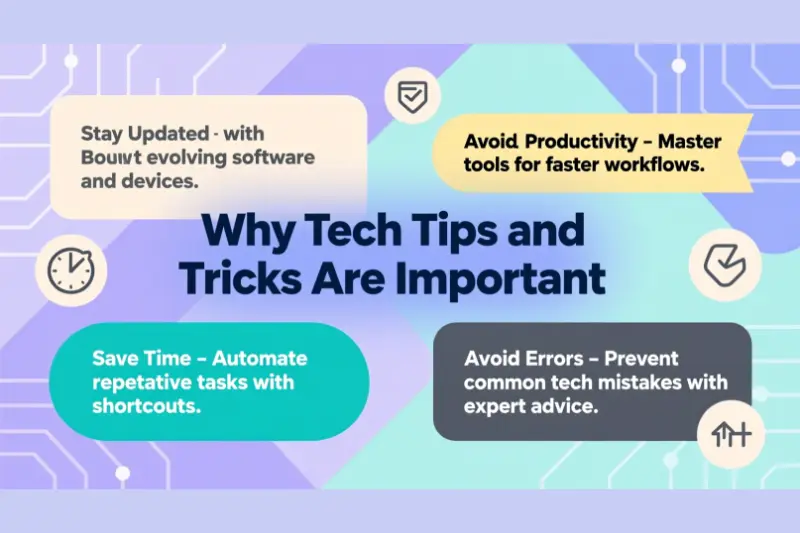
Technology keeps changing, and new features appear often. Without guidance, many users feel lost or overwhelmed. Tech tips and tricks make learning easier and less stressful.
One major reason they matter is productivity. When you know faster ways to complete tasks, you get more done in less time. This is helpful for work, school, and personal projects.
Security is another key reason. Many online threats target users who lack basic knowledge. Simple tech tips and tricks can protect your data, money, and privacy.
They also help extend the life of your devices. Proper care, updates, and settings prevent common issues. As a result, you spend less on repairs or replacements.
Most importantly, tech tips and tricks empower users. Instead of depending on others, you can solve small problems yourself and feel more independent in a digital world.
Detailed Step-by-Step Guide
Step 1: Organize Your Devices Properly
Start by cleaning and organizing your digital space. Remove apps you no longer use and delete old files. Create folders with clear names for documents, photos, and downloads.
On phones, move similar apps into folders. This makes navigation faster. On computers, keep your desktop clean. A clutter-free device runs smoother and feels easier to use.
Step 2: Learn Basic Shortcuts
Keyboard and touch shortcuts save time. For example, copy and paste commands are useful everywhere. Learning a few common shortcuts can speed up daily tasks.
On smartphones, gestures like swipe, long press, and quick settings panels offer faster control. Practice them until they feel natural.
Step 3: Manage Storage and Performance
Low storage slows devices. Check storage settings regularly. Clear cache files and remove duplicates. Cloud storage can help free space while keeping files safe.
Restart devices once in a while. This simple habit fixes many small issues and improves performance.
Step 4: Improve Security Settings
Security should never be ignored. Use strong passwords and enable screen locks. Turn on two-step verification when available.
Update your system and apps regularly. Updates often fix security weaknesses. These tech tips and tricks protect your personal information.
Step 5: Customize Settings for Comfort
Adjust brightness, text size, and notification controls. Small changes reduce eye strain and distractions.
Explore accessibility features. Many tools are helpful for everyone, not only users with special needs.
Step 6: Use Built-In Tools Wisely
Most devices include useful tools like file managers, backup options, and digital assistants. Learn what is already available before installing new apps.
Built-in tools are often safer and better optimized for your system.
Step 7: Practice Smart Internet Habits
Be careful with unknown links and downloads. Check website addresses before entering personal details.
Use browser settings to block pop-ups and manage permissions. These habits are essential tech tips and tricks for safe browsing.
Benefits of Tech Tips and Tricks
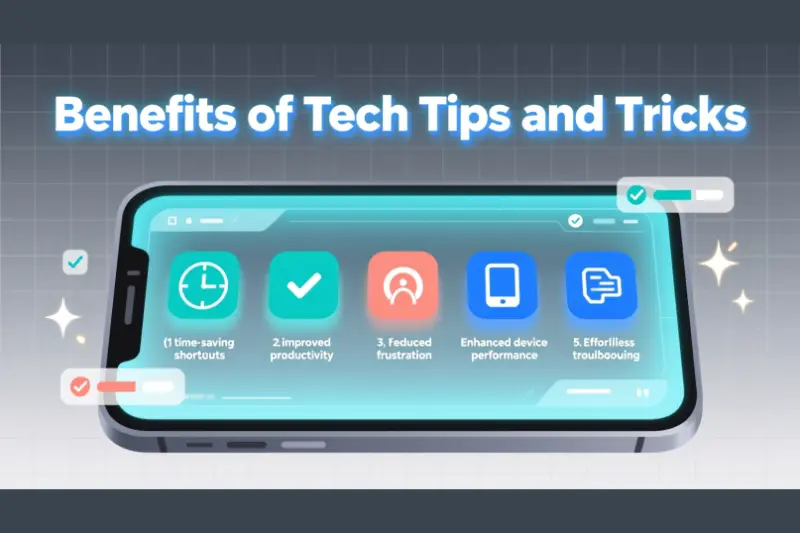
Save time by using faster methods
Improve device speed and performance
Increase online safety and privacy
Reduce frustration and confusion
Extend device lifespan
Build confidence with technology
Disadvantages / Risks
Too many changes can confuse beginners
Wrong settings may cause errors
Over-optimization can reduce usability
Following untested advice can be risky
Ignoring updates may create issues
Common Mistakes to Avoid
Many users try to apply every tip at once. This often leads to confusion. It is better to learn slowly and practice one change at a time.
Another mistake is ignoring backups. Before making major changes, always back up important data. This prevents loss if something goes wrong.
Some people disable security features to make devices faster. This is risky. Speed should never come at the cost of safety.
Finally, copying settings from others without understanding them can cause problems. Each device and user is different.
FAQs
What are tech tips and tricks used for?
They are used to improve how you use devices, apps, and the internet. They help save time, improve security, and make technology easier to manage.
Are tech tips and tricks suitable for beginners?
Yes, most tips are simple and designed for everyday users. Beginners can start with basic steps and grow their skills gradually.
How often should I apply new tech tips?
There is no fixed rule. Apply new tips when you face a problem or want to improve something specific. Regular learning is helpful.
Can tech tips and tricks damage my device?
When followed correctly, they are safe. Problems usually happen when users change settings without understanding them.
Do I need special tools to use these tips?
No special tools are required. Most tips use built-in features already available on devices and software.
Expert Tips & Bonus Points
Focus on learning habits, not just tricks. Understanding how systems work helps you adapt to new technology easily.
Take time to explore settings menus. Many useful features are hidden there. Reading short descriptions can teach you a lot.
Keep a learning mindset. Technology changes, but basic principles stay the same. Regular practice builds long-term confidence.
Teach others what you learn. Sharing knowledge reinforces your own understanding and helps build a supportive tech community.
Conclusion
Technology should make life easier, not more stressful. With the right approach, anyone can improve their digital skills. This is why tech tips and tricks are so valuable. They turn complex systems into manageable tools that work for you.
By applying simple steps like organizing files, improving security, and learning shortcuts, you gain control over your devices. These small actions lead to better performance, safer online behavior, and more confidence.