
Introduction
App reviews play a key role in how people choose mobile and desktop applications today. With millions of apps available across different platforms, making the right choice can feel confusing. This is where app reviews help users decide which apps are worth their time, money, and data. For beginners and intermediate users, understanding how reviews work is just as important as reading them.
In simple terms, app reviews share real user experiences. They explain what an app does well and where it fails. When written honestly, app reviews save users from installing low quality or unsafe apps. They also help developers improve their products by listening to feedback. Because of this, app reviews are valuable for both users and creators.
Many people trust star ratings without reading details. However, smart users go deeper. They look at patterns, recent updates, and verified opinions. By learning how to read and write app reviews properly, you can make better decisions and avoid common mistakes.
This guide explains app reviews in clear and simple language. It shows why they matter, how to use them step by step, and what benefits and risks they bring. Whether you download apps for work, learning, or fun, this article will help you feel more confident every time you tap the install button.
What is App Reviews?
App reviews are written opinions shared by users after they install and use an application. These reviews usually include star ratings, comments, and sometimes screenshots. App reviews appear on app stores and help others understand the real performance of an app.
Most app reviews talk about features, usability, speed, and overall satisfaction. Some also mention bugs, ads, or hidden charges. Together, these opinions form a general picture of how an app performs in daily use.
Why is App Reviews Important?
App reviews help users avoid wasting time and money. They provide honest feedback that marketing descriptions often hide. When many users report the same issue, it becomes easier to spot problems.
For developers, app reviews offer direct insight into user needs. Positive app reviews build trust and improve app visibility. Negative ones highlight areas that need improvement.
Detailed Step-by-Step Guide
Step 1: Read More Than Star Ratings
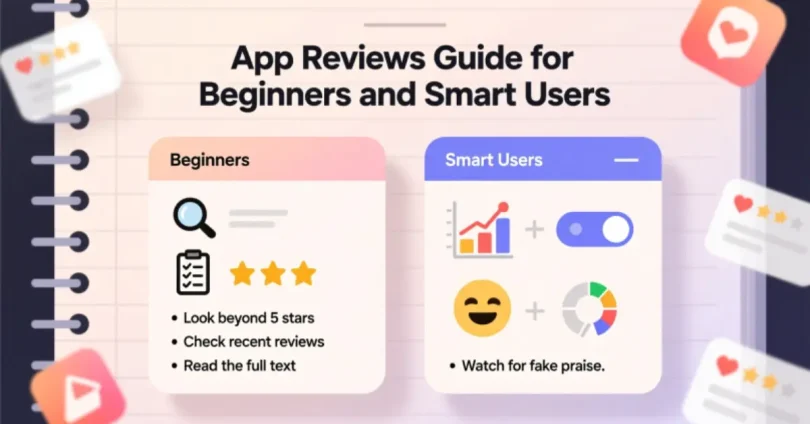
Star ratings give a quick idea, but they do not tell the full story. Always read written app reviews to understand why users rated the app a certain way.
Step 2: Check Recent Reviews
Apps change often through updates. Recent app reviews show current performance and bug fixes.
Step 3: Look for Common Patterns
If many app reviews mention the same issue, it is likely real. Patterns are more reliable than single opinions.
Step 4: Consider Verified Users
Verified app reviews come from real users who installed the app. These reviews are more trustworthy.
Step 5: Balance Positive and Negative Feedback
Good app reviews mention both strengths and weaknesses. Balanced opinions are usually more honest.
Benefits of App Reviews
- Help users choose better apps
- Save time and money
- Improve app quality through feedback
- Increase trust and transparency
- Support informed decision making
Disadvantages / Risks
- Fake or paid app reviews
- Emotional or biased opinions
- Outdated feedback after updates
- Misleading star ratings
- Review bombing by competitors
Common Mistakes to Avoid
Many users rely only on star ratings and ignore details. Others trust a single review instead of reading several app reviews. Skipping recent feedback is another common mistake. Always review multiple opinions before deciding.
FAQs
What makes app reviews reliable?
Reliable app reviews are detailed, balanced, and written by verified users. They explain real experiences instead of short emotional comments.
How many app reviews should I read?
Reading ten to fifteen app reviews gives a fair overview. Focus on both high and low ratings for balance.
Can app reviews be fake?
Yes, some app reviews are fake or paid. Look for repeated wording or overly positive language as warning signs.
Why do developers respond to app reviews?
Developers respond to app reviews to show care, fix issues, and build trust with users.
Do negative app reviews mean an app is bad?
Not always. Some negative app reviews highlight personal issues. Look for repeated complaints before judging.
Should I write app reviews myself?
Yes, writing app reviews helps others and supports better app development. Honest feedback benefits everyone.
Expert Tips & Bonus Points
Always sort app reviews by newest first. Compare reviews across platforms when possible. Update your review after major app updates. Clear and polite feedback is more helpful than emotional criticism.
Conclusion
App reviews are more than simple opinions. They are powerful tools that guide users toward better digital choices. In a world filled with countless applications, app reviews act as a filter that separates useful tools from disappointing ones. By learning how to read them properly, users gain confidence and control over their app choices.
For beginners, app reviews reduce confusion and risk. For intermediate users, they offer deeper insights into performance and value. When used wisely, app reviews save time, protect privacy, and improve overall user experience. They also encourage developers to maintain quality and listen to their audience.