
Introduction
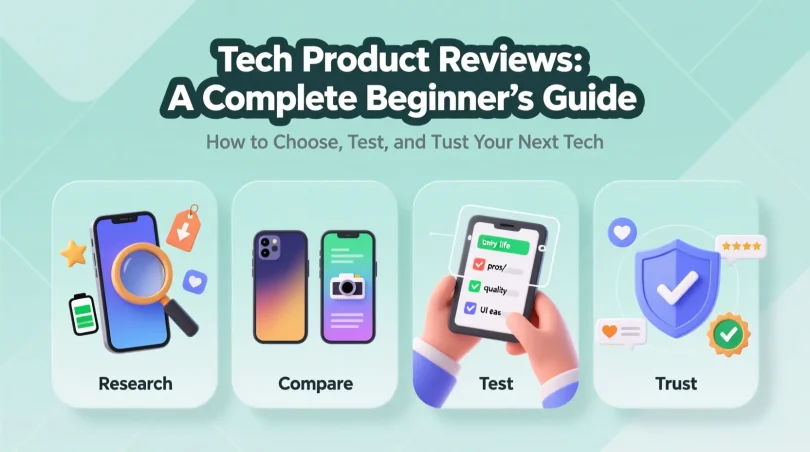
Tech product reviews play an important role in today’s digital world. Every day, new gadgets, apps, and smart devices are launched. Because of this, buyers often feel confused about which product is truly worth their money. This is where tech product reviews become helpful. They explain features, highlight pros and cons, and share real user experiences in simple words.
For beginners, tech product reviews act as a learning tool. They explain complex technology in an easy way. For intermediate readers, these reviews help compare products and understand value beyond marketing claims. Instead of trusting advertisements, people now trust detailed and honest reviews written by real users and experts.
Another reason tech product reviews matter is transparency. A good review does not just praise a product. It also talks about weaknesses, performance issues, and long-term usage results. This balanced approach builds trust and helps readers make confident decisions.
What Is Tech Product Reviews?
Tech product reviews are detailed evaluations of technology-related products. These products include gadgets, electronics, software, and digital tools. A review usually explains what the product does, how it works, and how well it performs in real-life situations.
Most tech product reviews focus on features, design, usability, performance, and price. They also compare the product with similar options in the market. This comparison helps readers understand whether the product offers good value or not.
Reviews can be written by experts, bloggers, or everyday users. Expert reviews often include technical details and performance testing. User reviews usually share practical experiences and personal opinions. Both types are useful in different ways.
In simple terms, tech product reviews answer one main question. Is this product worth buying or not? By reading a few honest reviews, buyers can avoid poor choices and invest wisely.
Why Are Tech Product Reviews Important?
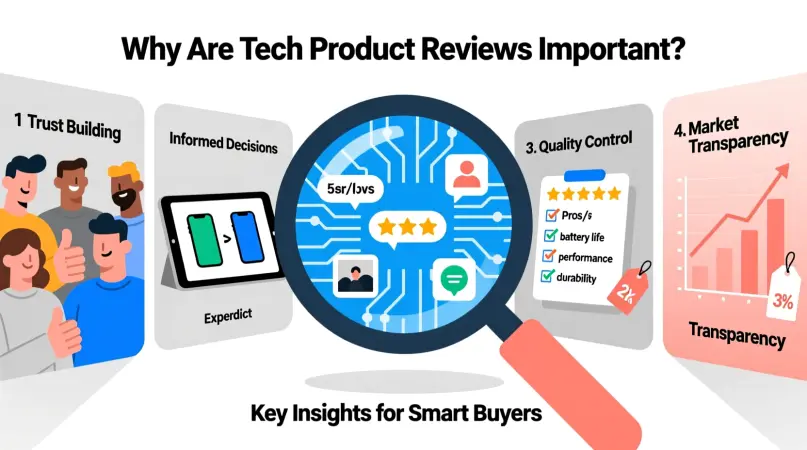
Tech product reviews are important because technology changes quickly. New models replace old ones, and features improve rapidly. Without reviews, buyers may struggle to keep up with these changes.
Reviews help people understand real performance. A product may look great on paper, but real usage can be different. Tech product reviews reveal hidden issues like battery drain, overheating, or software bugs.
They also help build trust. When readers see balanced opinions, they feel confident about the information. This trust leads to better decision-making and fewer regrets after purchase.
Another key benefit is education. Reviews explain technical terms in simple language. This makes technology more accessible to beginners and non-technical users.
Detailed Step-by-Step Guide
Step 1: Identify the Product Purpose
Before reviewing a product, understand its main purpose. Ask what problem it solves and who it is designed for. For example, a gaming laptop serves different needs than a business laptop.
Knowing the purpose helps you judge whether the product performs well in its category. It also helps readers decide if the product matches their needs.
Step 2: Research Product Specifications
The next step is to study the technical specifications. This includes hardware, software, compatibility, and supported features. Specifications provide a foundation for evaluation.
However, avoid copying spec lists without explanation. Translate technical details into simple benefits. For example, explain how more RAM improves multitasking.
Step 3: Test Real-World Performance
Real-world usage is the heart of tech product reviews. Test the product in daily situations. For gadgets, check battery life, speed, and durability. For software, test usability and stability.
Real testing adds authenticity to your review. It shows readers how the product behaves outside controlled environments.
Step 4: Evaluate Design and Build Quality
Design matters because it affects comfort and usability. Check materials, weight, and overall look. Build quality shows how long the product may last.
Explain whether the design is practical or just visually appealing. This helps readers understand long-term value.
Step 5: Analyze User Experience
User experience includes setup, navigation, and daily usage. A good product should be easy to use, even for beginners.
Mention any learning curve or setup challenges. Honest feedback improves credibility and usefulness.
Step 6: Compare With Competitors
Comparison adds depth to tech product reviews. Compare the product with similar options in the same price range.
Highlight differences in features, performance, and price. This helps readers see strengths and weaknesses clearly.
Step 7: Discuss Price and Value
Price alone does not define value. Explain whether the product justifies its cost. Consider durability, features, and long-term benefits.
A balanced price discussion helps readers decide if the product fits their budget.
Step 8: Share Pros and Cons
Summarize key positives and negatives. This quick overview helps readers make fast decisions.
Ensure that pros and cons are fair and based on real usage.
Benefits of Tech Product Reviews
- Help buyers make informed decisions
- Save time by reducing trial and error
- Explain complex technology in simple terms
- Build trust through honest observations
- Highlight real-world performance
- Support budget-friendly choices
- Encourage better product comparisons
Disadvantages / Risks
- Some reviews may be biased or sponsored
- Fake reviews can mislead buyers
- Overly technical reviews may confuse beginners
- Personal opinions may not match all users
- Rapid tech changes can make reviews outdated
Common Mistakes to Avoid
One common mistake is trusting only one review. Always read multiple tech product reviews to get balanced opinions. Different users have different needs and experiences.
Another mistake is ignoring negative feedback. Even a good product can have flaws. Negative points help set realistic expectations.
Some readers focus only on ratings. Star ratings are useful, but written explanations provide deeper insights.
Avoid skipping update dates. Older reviews may not reflect current software updates or improvements.
FAQs
What should I look for in tech product reviews?
Look for honesty, balance, and real usage examples. Reviews should explain both strengths and weaknesses clearly.
Are expert reviews better than user reviews?
Both are useful. Expert reviews provide technical depth, while user reviews share practical experiences.
How many reviews should I read before buying?
Reading at least five to ten reviews gives a clearer picture and reduces bias.
Can tech product reviews be trusted completely?
Reviews are helpful but not perfect. Use them as guidance, not absolute truth.
Why do some reviews contradict each other?
Different users have different expectations, usage styles, and needs. This leads to varied opinions.
Do updated reviews matter?
Yes, updated reviews reflect software updates, fixes, and long-term performance.
Expert Tips & Bonus Points
Always check the reviewer’s experience level. A reviewer familiar with technology often provides deeper insights.
Focus on reviews that explain reasoning instead of emotional reactions. Clear explanations add value.
Pay attention to long-term reviews. They reveal durability and performance over time.
Use tech product reviews as a comparison tool, not just a recommendation source.
Combine reviews with your own needs. The best product for others may not be best for you.
Conclusion
Tech product reviews are a powerful tool in today’s technology-driven market. They bridge the gap between marketing promises and real-world performance. For beginners, reviews simplify complex information and make technology less intimidating. For intermediate users, they offer deeper insights and comparisons.
By understanding how tech product reviews are written and evaluated, readers become smarter buyers. They learn to spot honest opinions, avoid misleading content, and focus on value rather than hype. Reviews also promote transparency and encourage manufacturers to improve quality.
However, reviews should be used wisely. Reading multiple sources, checking dates, and considering personal needs are essential steps. No single review can provide all answers, but combined insights create clarity