

Introduction
Artificial intelligence is no longer a complex idea limited to scientists or large companies. Today, it is part of everyday life. From smartphones and social media to online shopping and healthcare, smart systems are working quietly in the background. This is where AI tools and applications play a major role. They help people complete tasks faster, make better decisions, and reduce manual work. For beginners, this topic may sound technical, but it does not have to be confusing.
In simple terms, these tools use data, rules, and learning methods to perform tasks that normally need human thinking. For example, voice assistants can understand speech, while recommendation systems suggest products you may like. Over time, these systems improve by learning from patterns and feedback. That is why they feel smarter with continued use.
This article is written in clear and simple English for beginners and intermediate readers. You will learn what AI tools and applications are, why they matter, and how they are used step by step. You will also explore benefits, risks, common mistakes, and expert tips. By the end, you will have a strong understanding of how these tools fit into modern life and work. Most importantly, you will see how to use them wisely and responsibly in real situations.
What is AI Tools and Applications?
AI tools and applications are software systems designed to perform tasks that usually require human intelligence. These tasks include learning, reasoning, problem solving, language understanding, and decision making. Instead of following fixed instructions only, these systems can adapt and improve using data.
An AI tool is the actual software or platform that performs a function. An application is how that tool is used in real life. For example, a speech recognition system is a tool, while a voice assistant on your phone is an application. Together, they create useful experiences for users.
These systems often rely on techniques such as pattern recognition, predictive analysis, and automation. They can work with text, images, sound, and numbers. Because of this flexibility, AI tools and applications are now used across many industries, including education, healthcare, business, and entertainment.
The key idea is simple. These systems help people save time, reduce effort, and improve accuracy. They do not replace human thinking completely, but they support it in practical ways.
Why is AI Tools and Applications Important?
AI tools and applications are important because they improve efficiency and decision making in many areas of life. They help businesses operate faster, help students learn better, and help individuals manage daily tasks more easily.
One major reason for their importance is automation. Repetitive and time-consuming tasks can be handled by smart systems, allowing people to focus on creative and strategic work. Another reason is accuracy. Machines can analyze large amounts of data and spot patterns that humans might miss.
These tools also support personalization. For example, learning platforms can adjust lessons based on a student’s progress. Shopping platforms can recommend products based on interests. This creates better user experiences.
In addition, AI tools and applications support innovation. They allow small businesses to compete with larger ones by using smart insights and efficient systems. As technology continues to grow, understanding these tools becomes a valuable skill for future success.
Detailed Step-by-Step Guide
Step 1: Identify the Problem or Task
The first step is to clearly define what you want to achieve. This could be saving time, improving accuracy, or analyzing information. A clear goal helps you choose the right solution.
Step 2: Choose the Right AI Tool
Different tools are designed for different purposes. Some work with text, others with images or numbers. Selecting the right one ensures better results and smoother use.
Step 3: Prepare the Data
Most systems need data to work properly. This data should be clean, relevant, and organized. Good input leads to better output and fewer errors.
Step 4: Configure and Train the System
Some tools require basic setup or training. This step allows the system to learn patterns and rules related to your task. Training improves accuracy over time.
Step 5: Test the Application
Before full use, testing is important. It helps you find mistakes, check performance, and adjust settings. Testing reduces risks later.
Step 6: Monitor and Improve
After deployment, regular monitoring is needed. Feedback and updates help the system stay useful and reliable. Improvement is an ongoing process.
Benefits of AI Tools and Applications
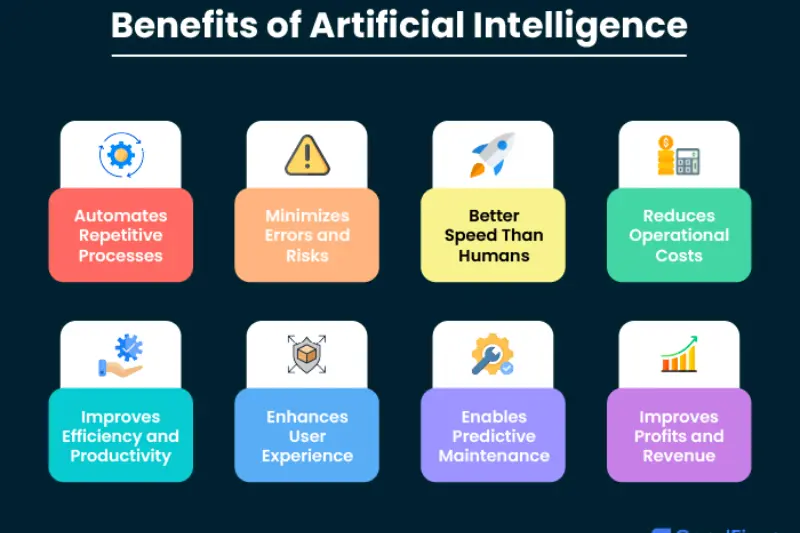
Save time by automating repetitive tasks
Improve accuracy and reduce human error
Support better decision making with data insights
Enhance personalization for users
Increase productivity in work and study
Help businesses scale efficiently
Support innovation and creativity
Disadvantages / Risks
Dependence on data quality
Possible bias in results
Privacy and security concerns
High initial setup effort
Limited understanding without human oversight
Risk of misuse if poorly managed
Common Mistakes to Avoid
One common mistake is using these systems without clear goals. Without direction, results can be disappointing. Another mistake is ignoring data quality. Poor data leads to poor outcomes.
Many users also expect instant perfection. Learning systems need time and adjustment. Skipping testing is another issue that can cause errors later. Finally, relying completely on automation without human review can be risky. Balance is always important.
What are AI tools and applications used for?
They are used for automation, analysis, personalization, and decision support in many fields such as education, healthcare, and business.
Are these tools difficult to use for beginners?
Many are designed with simple interfaces. With basic guidance and practice, beginners can use them effectively.
Do they replace human jobs completely?
They support human work rather than fully replacing it. Humans are still needed for creativity, judgment, and oversight.
Is data privacy a concern?
Yes, handling data responsibly is important. Users should follow privacy rules and best practices.
Can small businesses benefit from them?
Yes, they help small businesses save time, understand customers, and improve services efficiently.
Expert Tips & Bonus Points
Start small and grow gradually. Focus on one task before expanding. Always review results and provide feedback. Keep learning about updates and best practices. Combining human insight with smart systems creates the best outcomes.
Conclusion
AI tools and applications have become an important part of modern life. They are no longer limited to large organizations or technical experts. With simple understanding and careful use, anyone can benefit from them. These systems help save time, improve accuracy, and support better decisions across many areas.
For beginners, the key is to start with clear goals and realistic expectations. Learn step by step and focus on practical use rather than complex theory. For intermediate users, refining data quality and monitoring performance can lead to stronger results. In both cases, human judgment remains essential.